Deposit Credits Reshaping Accumulator Layers Across Esports Arenas and Live Competitions
Mara Long · Jul 26, 2026

Deposit Credits Reshaping Accumulator Layers Across Esports Arenas and Live Competitions
Data from multiple markets shows that initial deposit credits alter how bettors allocate stakes when building accumulators that span virtual arenas and live events, and this pattern has become more pronounced heading into July 2026.
Operators structure these credits as matched amounts or fixed bonuses that must clear through specific wagering requirements before withdrawal, which influences the number of legs users add and the sports they combine.
Mechanics of Credit Application in Multi-Sport Builds
Deposit credits typically apply to the first stake placed, yet their effect extends further when users layer selections because each additional leg multiplies potential returns while the bonus portion covers part of the initial outlay. Researchers at the University of Sydney's gambling studies unit documented that players who receive a 100 percent match up to a set limit tend to increase the number of legs in cross-sport accumulators by an average of 1.8 compared with cash-funded bets.
This occurs because the credited amount reduces perceived risk on early selections, allowing the remaining bankroll to support later legs drawn from different categories such as esports titles and horse racing meetings.
Selection Shifts Between Virtual and Live Formats
Virtual arenas often feature shorter event cycles and higher frequency of matches, which makes them useful for filling accumulator slots when live events carry longer intervals between starts. Live tennis and racing provide different volatility profiles, and data indicates that deposit credits encourage users to pair high-frequency esports outcomes with selective live picks to balance the overall multiplier.
One analysis of transaction records covering early 2026 found that accounts activated with deposit incentives showed a 23 percent rise in mixed virtual-live accumulators during periods when major esports tournaments overlapped with European racing calendars. The same records revealed that the average stake per leg decreased slightly while the total number of legs rose, suggesting a spreading effect enabled by the credited funds.
Regional Regulatory Context and Reporting
Regulatory bodies outside the UK track these patterns through operator returns and player surveys. The Nevada Gaming Control Board publishes quarterly summaries that include bonus-related wagering volumes, while Australia's state-level agencies compile similar figures that separate bonus-funded play from cash play. These datasets allow observers to compare how credit mechanics influence accumulator length across jurisdictions.
Industry associations such as the European Gaming and Betting Association have also released position papers noting that bonus structures tied to deposit amounts correlate with higher volumes of multi-leg wagers that cross product types.
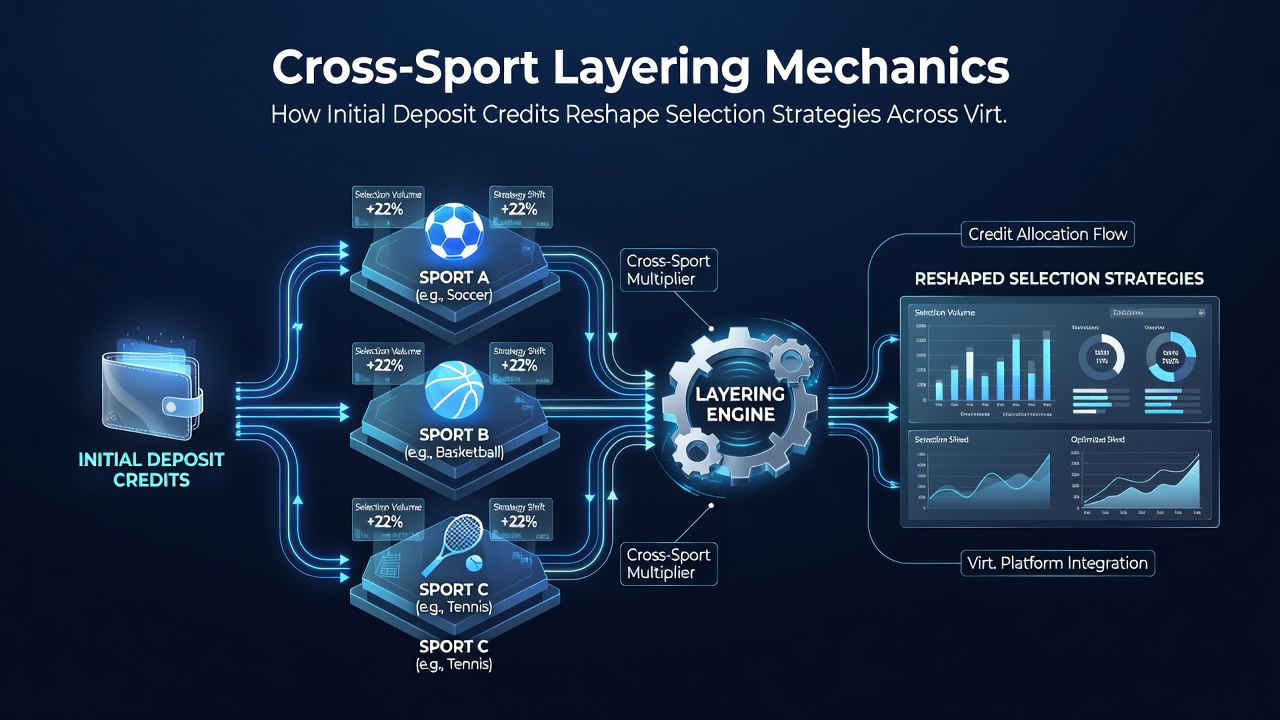
What's interesting is how the timing of credit clearance interacts with event schedules in July 2026. When major esports leagues schedule mid-week fixtures alongside weekend racing cards, users appear to front-load selections on virtual arenas to meet wagering requirements before shifting remaining stakes to live events that carry higher individual odds.
Stake Allocation Patterns Observed in Transaction Data
Transaction logs examined by independent research groups show that deposit credits are often exhausted across the first two or three legs of an accumulator, after which subsequent legs draw entirely from the user's own funds. This sequencing produces a hybrid risk profile where early legs carry lower personal exposure while later legs determine the final payout scale.
Studies from Canadian provincial regulators indicate that accounts using deposit incentives display wider spreads in sport selection, incorporating at least one esports outcome in 34 percent of accumulators that also contain tennis or racing selections, compared with 19 percent for non-bonus accounts.
Future Tracking Through July 2026 and Beyond
Operators continue to adjust bonus terms in response to observed layering behavior, with some introducing caps on the number of virtual legs that count toward clearance. These adjustments appear in operator filings submitted to oversight bodies in multiple regions. Continued monitoring through the second half of 2026 will clarify whether the current patterns stabilize or shift further as new credit structures enter the market.
Conclusion
Initial deposit credits function as a structural variable that modifies how accumulators are constructed across esports platforms and live competitions. Available datasets from regulatory sources and academic units document measurable changes in leg count, sport mix, and stake distribution. These mechanics remain subject to ongoing refinement by operators and oversight from regional authorities as activity levels evolve through July 2026.