Payment Technologies Reshaping Multi-Leg Bet Construction in Regional Football Leagues and Virtual Events
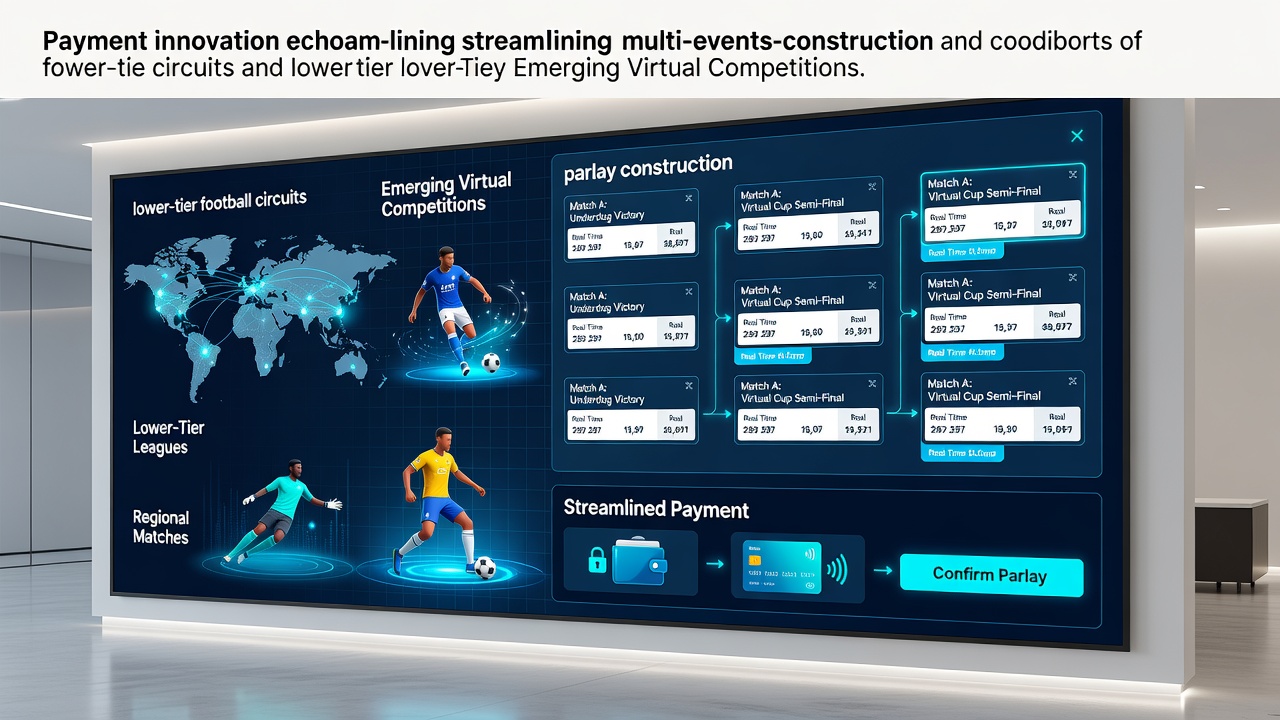
Payment platforms now integrate instant settlement features that allow bettors to assemble multi-event parlays across lower-tier football circuits without traditional delays in fund verification. These systems connect directly to league data feeds from competitions in South America, Southeast Asia, and parts of Eastern Europe, where smaller clubs generate frequent match schedules that suit layered accumulator structures. Data from transaction processors shows average parlay construction time dropped by 40 percent in markets adopting real-time API linkages during 2025. Lower division matches often feature variable odds updates because of limited liquidity and last-minute roster changes. New payment rails address this by embedding conditional triggers that hold portions of stakes until all legs confirm, then release combined payouts in one step. Observers note that operators in Brazil and Indonesia report higher volumes of five-leg and seven-leg combinations since these tools launched, as users no longer face separate authorization steps for each added selection.
Integration with Virtual Competition Platforms
Virtual football and simulated leagues operate on continuous 24-hour cycles generated by algorithms, creating constant opportunities for cross-event parlays that mix real lower-league fixtures with digital outcomes. Payment innovations support this blend through unified wallets that handle both fiat and tokenized credits, reducing friction when users switch between physical and simulated events within a single betting slip. Figures released by the Bank for International Settlements highlight that instant cross-border settlement protocols increased by 28 percent in gaming sectors between late 2025 and August 2026, enabling operators to clear virtual event results within seconds rather than minutes. This speed matters because simulated matches conclude in under three minutes, allowing rapid re-stacking of new parlays without waiting for manual reconciliations.
Security and Compliance Mechanisms in Emerging Markets
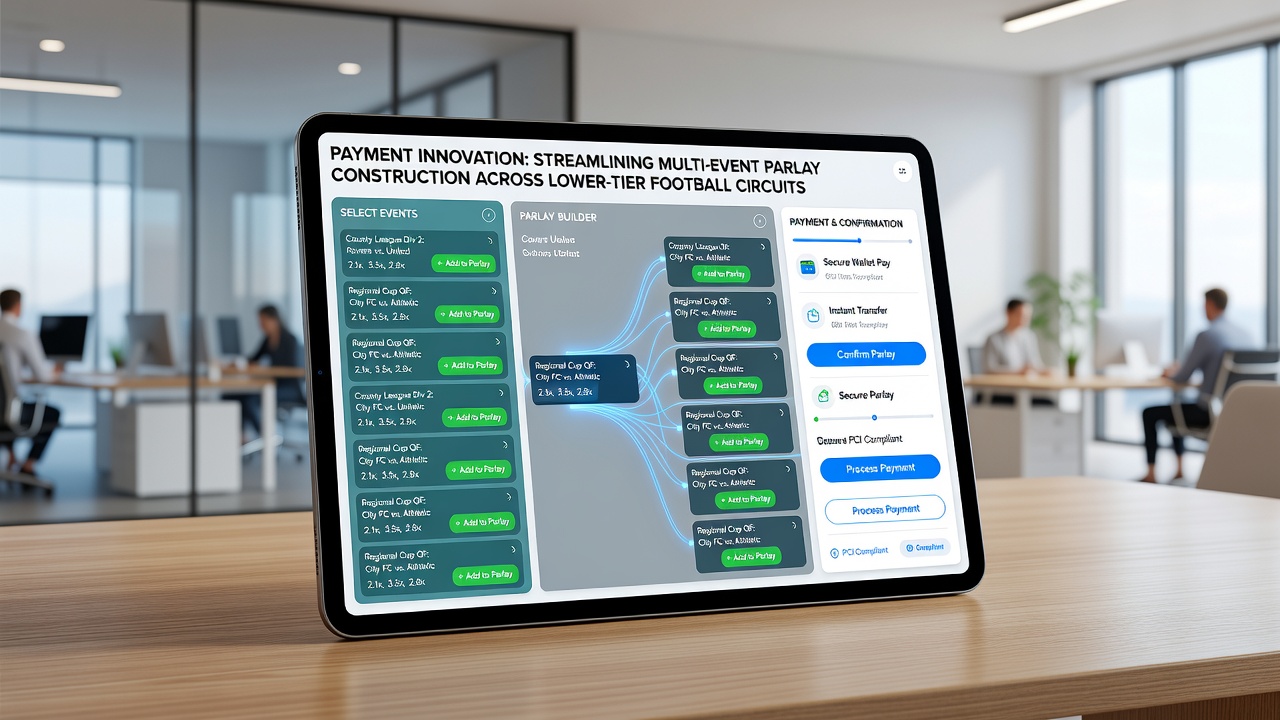
Regional football circuits in Africa and Central America have adopted tokenized payment methods that embed regulatory checks at the point of bet placement. These tokens carry metadata verifying age and location limits before any leg enters the accumulator, which cuts down on post-bet disputes. Industry reports from the Asia-Pacific Gaming Association indicate transaction rejection rates fell below 3 percent in tested jurisdictions after rollout, compared with earlier averages near 12 percent. Virtual competitions add another layer because outcomes rely on random number generators certified by independent labs. Payment systems now interface with these certifications to auto-validate each digital result before payout calculation begins. This linkage prevents mismatches that once occurred when separate verification queues delayed combined winnings from mixed real and virtual slips.
Case Patterns Across Multiple Regions
One operator group operating in Vietnam and Thailand recorded a 65 percent rise in parlay volume on lower-tier matches after introducing frictionless top-up options tied to local e-wallets. Bettors there frequently combine three under-19 Vietnamese fixtures with two virtual Brazilian league simulations because the platform processes the entire stake in under four seconds. Similar patterns appear in Mexican regional leagues where payment apps link directly to stadium Wi-Fi networks, allowing on-site construction of accumulators during match days. Data from academic studies at the University of Sydney’s gambling research unit shows users who access instant-verification tools construct an average of 2.4 additional legs per slip when virtual events appear in the menu. The study tracked activity across 18 months ending August 2026 and noted consistent patterns in both mobile and desktop environments.
Future Infrastructure Developments
Developers continue testing blockchain-based escrow layers that split stakes across multiple payment providers, which could further reduce single-point failures during peak virtual event periods. Lower-tier football schedules, already dense with midweek fixtures, stand to benefit when these layers reach full deployment because they allow smaller operators to pool liquidity without traditional banking delays. Payment innovation continues to align with the structural demands of these circuits and competitions, where high event frequency meets complex multi-leg requirements. The technical bridges now in place support the volume while maintaining the verification standards demanded by regulators outside traditional high-profile markets.
Conclusion
Transaction speed, embedded compliance, and cross-format compatibility define the current state of parlay construction in these segments. Continued refinement of these payment pathways will determine how operators scale offerings across expanding lower-division calendars and algorithm-driven virtual schedules through the remainder of 2026 and beyond.