Strategic Incentive Layering for Cross-Sport Accumulators in Esports, Tennis, and Horse Racing
Mara Long · Aug 21, 2026
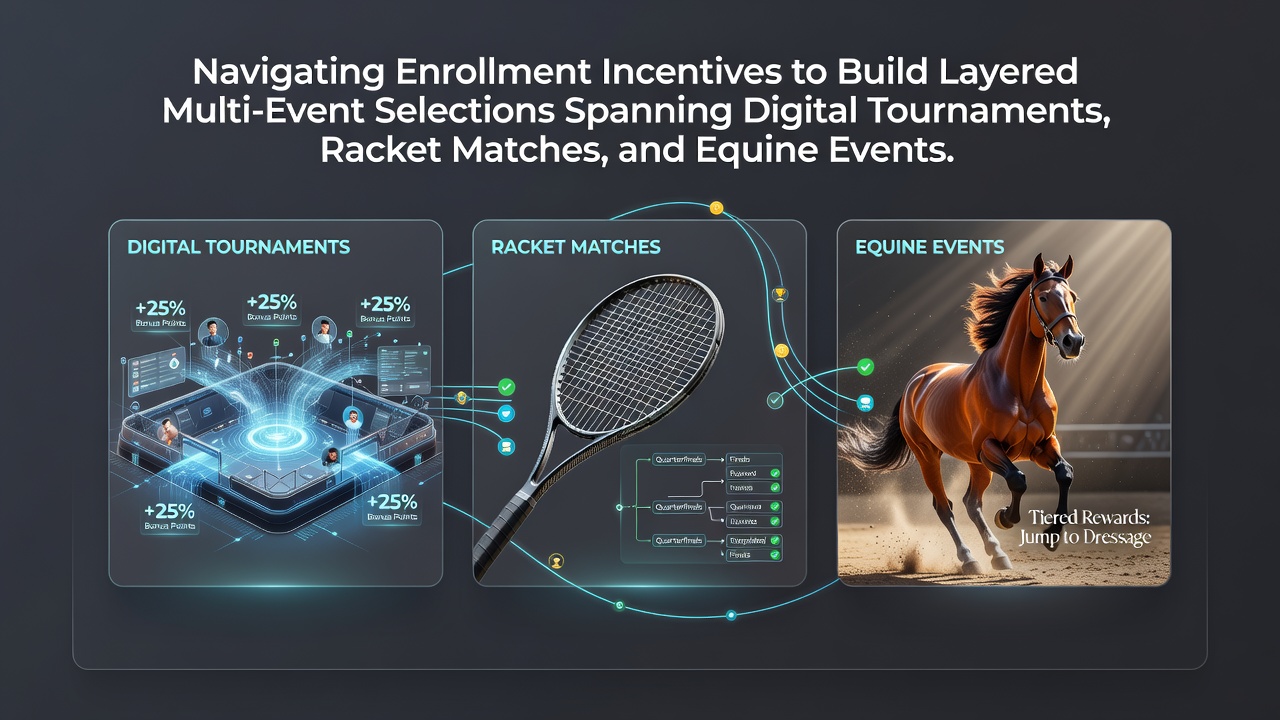
Strategic Incentive Layering for Cross-Sport Accumulators in Esports, Tennis, and Horse Racing
Enrollment incentives have become central tools that operators deploy to attract participants into multi-event betting structures, and these offers often tie directly into accumulator selections that span digital tournaments, racket matches, and equine events. Data from industry reports indicate that such layered approaches gained traction through 2025 and into 2026 as platforms expanded their cross-category promotions. Observers note that participants frequently combine free bet credits with matched deposits to extend selections across three distinct domains without increasing personal outlay at the initial stage.
Enrollment Structures and Their Application
Operators structure enrollment incentives around welcome packages that include deposit matches, risk-free bets, and enhanced odds on specific categories. These elements allow users to allocate portions of the bonus across esports titles, tennis fixtures, and horse racing cards in a single accumulator. Research indicates that platforms adjusted terms in early 2026 to cap rollover requirements while maintaining compatibility with multi-leg bets. Those who study these systems find that the key lies in sequencing the use of each incentive component so that one bonus segment covers an esports leg while another supports a tennis outcome and a third anchors a horse racing result.
Esports Integration Within Layered Selections
Digital tournaments provide high-frequency events that fit naturally into accumulator builds because match schedules allow rapid leg completion. Enrollment incentives often feature boosted odds on popular esports titles, and participants apply these enhancements to early legs of a multi-event slip. Figures from market analyses show that esports volumes rose steadily through mid-2026, partly because bonus funds reduce the capital needed to test emerging titles. Experts have observed that combining an esports leg with subsequent racket and equine selections stretches the effective lifespan of a single enrollment package across several days.
Tennis and Equine Components in Accumulator Design
Racket matches supply predictable scheduling windows that align with both esports and horse racing calendars, which enables precise timing for accumulator submissions. Enrollment incentives frequently include free bet tokens that participants direct toward underdog selections in tennis, thereby increasing potential returns when the full multi-event chain succeeds. Horse racing events add longer-odds opportunities that balance the shorter-priced esports and tennis legs. Data compiled by research institutions reveal that accumulators incorporating one equine leg alongside digital and racket components showed elevated payout multiples during peak summer meetings. Those who track transaction patterns note that August 2026 schedules featured overlapping international tennis tournaments and major racing festivals, which encouraged simultaneous use of layered bonuses across all three categories.
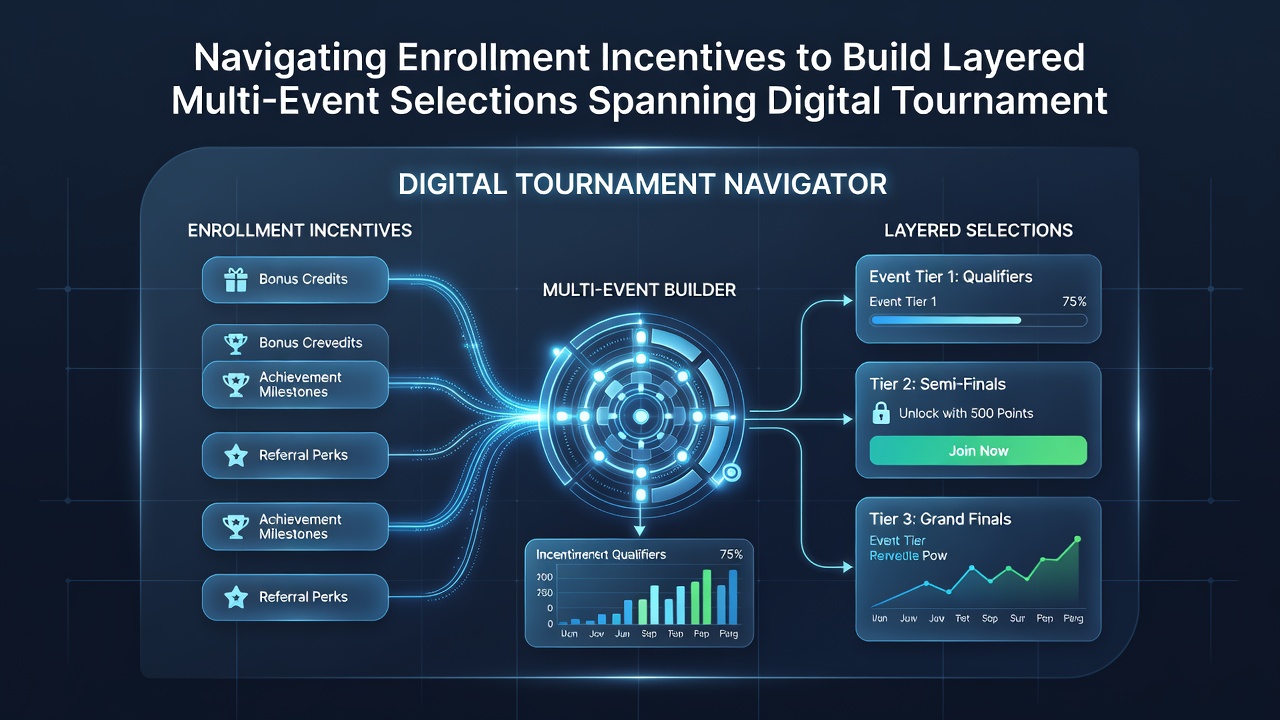
Platforms introduced segmented bonus wallets in 2026 that let users assign distinct portions of enrollment rewards to each sport. This segmentation prevents overlap violations while preserving the ability to build selections that span all three domains. Studies conducted by academic groups have documented how such wallet structures reduce administrative friction and allow participants to maintain compliance with individual category terms. What's interesting is that operators in regions outside the UK, including those overseen by the Nevada Gaming Control Board, adopted similar segmented approaches to accommodate cross-sport promotions.
Timing and Calendar Alignment in Mid-2026
August 2026 presented a concentrated window where esports world championships, late-summer tennis circuits, and prominent equine meetings ran concurrently. Enrollment incentives released during this period carried extended validity windows that covered the full calendar overlap. Participants who coordinated bonus activation with these dates could allocate one incentive tranche to an esports preliminary, another to a tennis quarterfinal, and a third to a horse racing handicap. Reports from industry associations indicate that transaction volumes across these three categories increased measurably during the month, reflecting the practical advantage of layered incentive use. Another source worth noting is the Canadian Centre for Gaming Research, whose data sets highlight parallel patterns in North American markets where operators offered comparable multi-category bonuses.
Practical Construction of Multi-Event Selections
Constructing these accumulators begins with identifying compatible legs that satisfy each incentive's minimum odds threshold. Participants then sequence the legs so that earlier esports or tennis outcomes release funds or free bets that can support the equine leg. Observers note that platforms display real-time eligibility indicators within the bet slip, which reduces the chance of selecting incompatible events. Research indicates that success rates improve when users maintain separate tracking for each bonus segment rather than treating the entire enrollment package as a single pool. This modular approach aligns with the segmented wallet structures that became standard by summer 2026.
Conclusion
Enrollment incentives continue to shape how participants construct accumulators that cross digital tournaments, racket matches, and equine events. The structures introduced through 2025 and refined in 2026 provide clear pathways for allocating bonus components across the three categories while respecting individual terms. Calendar overlaps such as those in August 2026 further support these layered strategies by supplying concurrent events that fit within typical bonus validity periods. Data from regulatory and academic sources confirm that segmented bonus systems and aligned scheduling together enable systematic multi-event selection building without requiring additional capital at the enrollment stage.